About Trentinian
Independent software engineering built around senior expertise and technical responsibility
Based in the Arlon–Luxembourg region, working with organisations across the Benelux and Europe.
Trentinian was created to provide organisations with an experienced engineering partner that can design, build and evolve important business software without unnecessary organisational layers or technical lock-in.
Local presence, remote across Europe
Based in the Arlon–Luxembourg area, with local availability and fully remote delivery throughout the Benelux and European Union.
Founder-led engineering
Customers work directly with the founder throughout discovery, solution design and technical delivery, without unnecessary handovers between sales and engineering.
Customer ownership and control
Applications, source code and technology choices remain under the customer's control, without unnecessary vendor lock-in.
Technology in service of business outcomes
Engineering decisions are guided by practical outcomes: faster delivery, lower operational cost, improved productivity and dependable software.
WHY TRENTINIAN EXISTS
AI is changing the economics of software engineering
Trentinian was created around a simple conviction: AI is changing the economics of software engineering.
Modern AI-assisted engineering can shorten time to market, produce meaningful productivity gains and reduce the cost of designing, building and evolving business software. It allows smaller engineering organisations to take on broader technical work while maintaining continuity between discovery, architecture, implementation and production.
For customers, the objective is not AI adoption for its own sake. It is the ability to create and improve modern, scalable products and platforms faster, at lower operational cost, and with greater capacity to support sustained business and revenue growth.
Trentinian is built around that shift: combining experienced software engineering with AI-native methods while keeping technical responsibility clear and human.
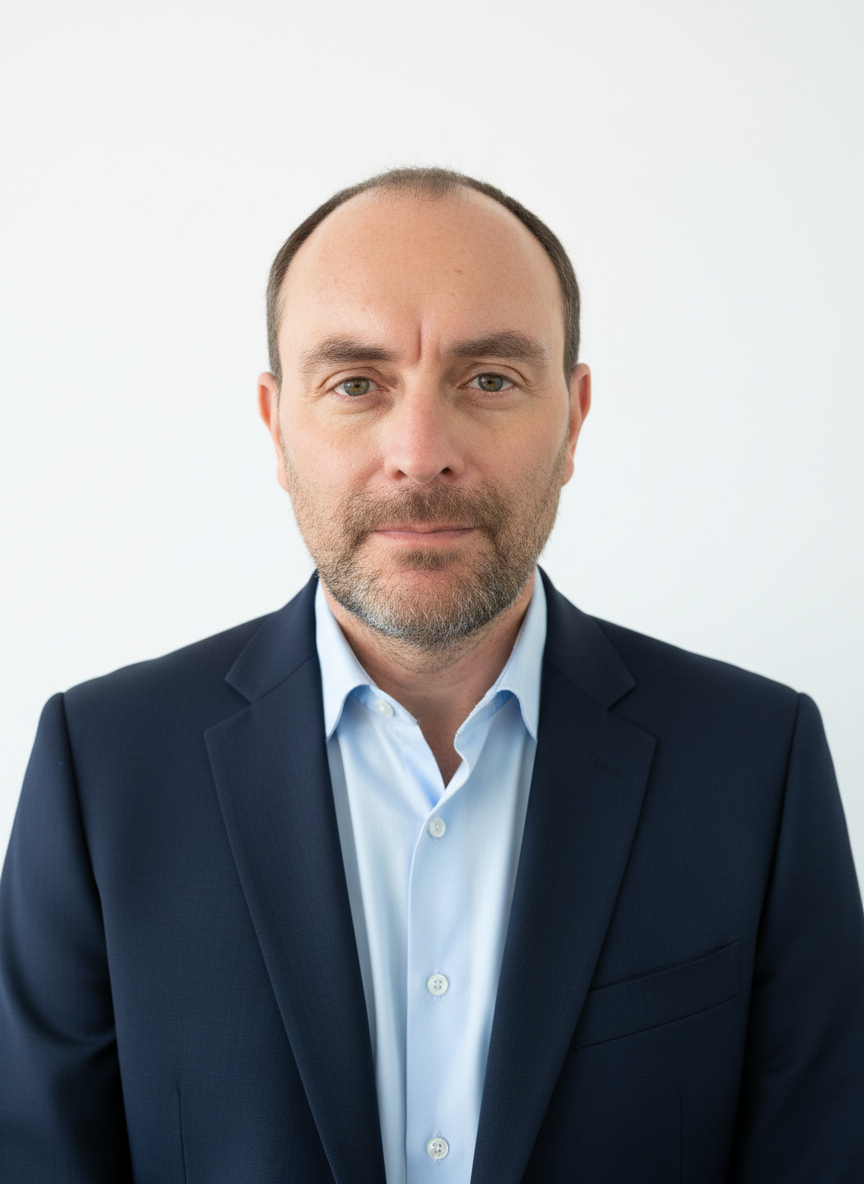
The founder
Trentinian was founded by Diego Deberdt, a software engineer and architect with thirty years of experience designing, building and maintaining business software.
His experience spans solution architecture, domain modelling, backend and frontend development, relational databases, systems integration, application security, cloud deployment and the ongoing operation of production applications.
Customers work directly with the founder during discovery, solution design and technical delivery. This provides continuity between the original business problem, the proposed architecture and the implemented application.
Trentinian is intentionally built as a lean engineering company. AI is used to increase the capacity and breadth of engineering work before scaling headcount and organisational complexity, while technical responsibility remains with the engineer accountable for delivery.
OPERATING PRINCIPLES
Operating principles
- 01
Technical responsibility stays clear.
AI can extend engineering capacity, but accountability for architecture, implementation quality and production outcomes remains human.
- 02
Engineering capacity before organisational complexity.
Trentinian uses AI to increase the speed and breadth of engineering work before scaling headcount and organisational layers.
- 03
Customers retain ownership and control.
Applications, source code, architecture and technology choices should remain under the customer's control, without unnecessary vendor lock-in.
- 04
Continuity matters.
Understanding accumulated during discovery and solution design should remain connected to implementation, deployment and the continued evolution of the software.
- 05
Technology must serve a business purpose.
Engineering decisions should contribute to useful outcomes: faster delivery, lower operational cost, improved productivity, dependable software and sustainable business growth.
Start a conversation
Have a software initiative to discuss?
Whether you are considering custom software that previously seemed too expensive, taking a prototype toward production, or trying to understand and evolve an existing application, the first step is a short conversation about the problem and whether Trentinian’s AI-native engineering model is a good fit.